
How The English School of Meilahti (ENGS) and 3DBear created a new way to practice ICT skills
How can we teach children digital safety and everyday ICT skills in a way that really transfers into practice? This was the challenge that The English School of Meilahti (ENGS) set out to solve together with 3DBear and Qridi.
The project developed SimPath – a new combination of structured learning paths and simulations. The solution brings together Qridi’s digital learning environment, 3DBear’s 360° simulations, and H5P interactive videos. The result is one of the very few – perhaps the only – 360° simulation-based solutions designed specifically for primary schools.
What Makes SimPath Special?
In Finland, ICT competence is embedded as a transversal skill rather than taught as a separate subject. This gives schools flexibility but often leads to variation in how ICT is taught and assessed across different classes. SimPath provides a consistent learning path: every student experiences the same sequence of activities and reflections, ensuring skills are developed systematically.
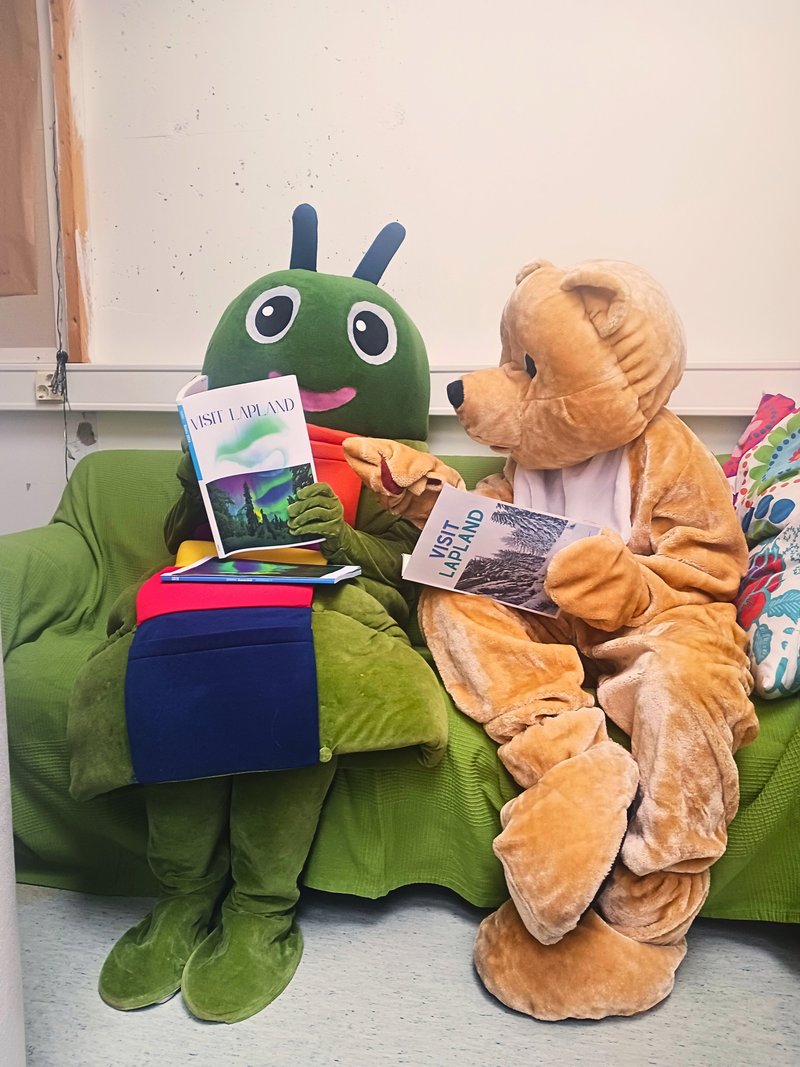
The learning journey is also brought to life by mascots – ENGS’s caterpillar and 3DBear’s bear – who guide students through the simulations.
Results: “Block → Delete → Tell”
The outcomes reported in the white paper were promising. Compared to traditional instruction, SimPath especially strengthened two critical behaviors:
- Delete – students became much more likely to remove harmful content or apps (+28 percentage points).
- Tell – students were more likely to seek help by telling an adult when they felt unsafe (+23 percentage points).
Together with Block, these steps form a complete digital safety sequence: Block → Delete → Tell. This means students don’t just block harassment, but also remove risks and reach out for adult support – a full response that keeps them safer over time.
Why It Matters
Digital safety is not only a technical skill but also a social and educational challenge. Simulations allowed students to practice realistic scenarios in a safe environment, while the digital learning environment ensured that progress was consistent and transparent across classes.

Learning digital safety can be serious – but with mascots guiding the way, it’s also engaging and fun.
Read the Full Study
This article is a summary of a white paper authored by Jussi Kajala.
Jussi Kajala, CEO
jussi@3dbear.fi