

Immersive Space
Experience Hands-On Learning Like Never Before
|
Experience Hands-On Learning Like Never Before |
Immersive Spaces for
Education and Training
What do we mean by an
immersive space?
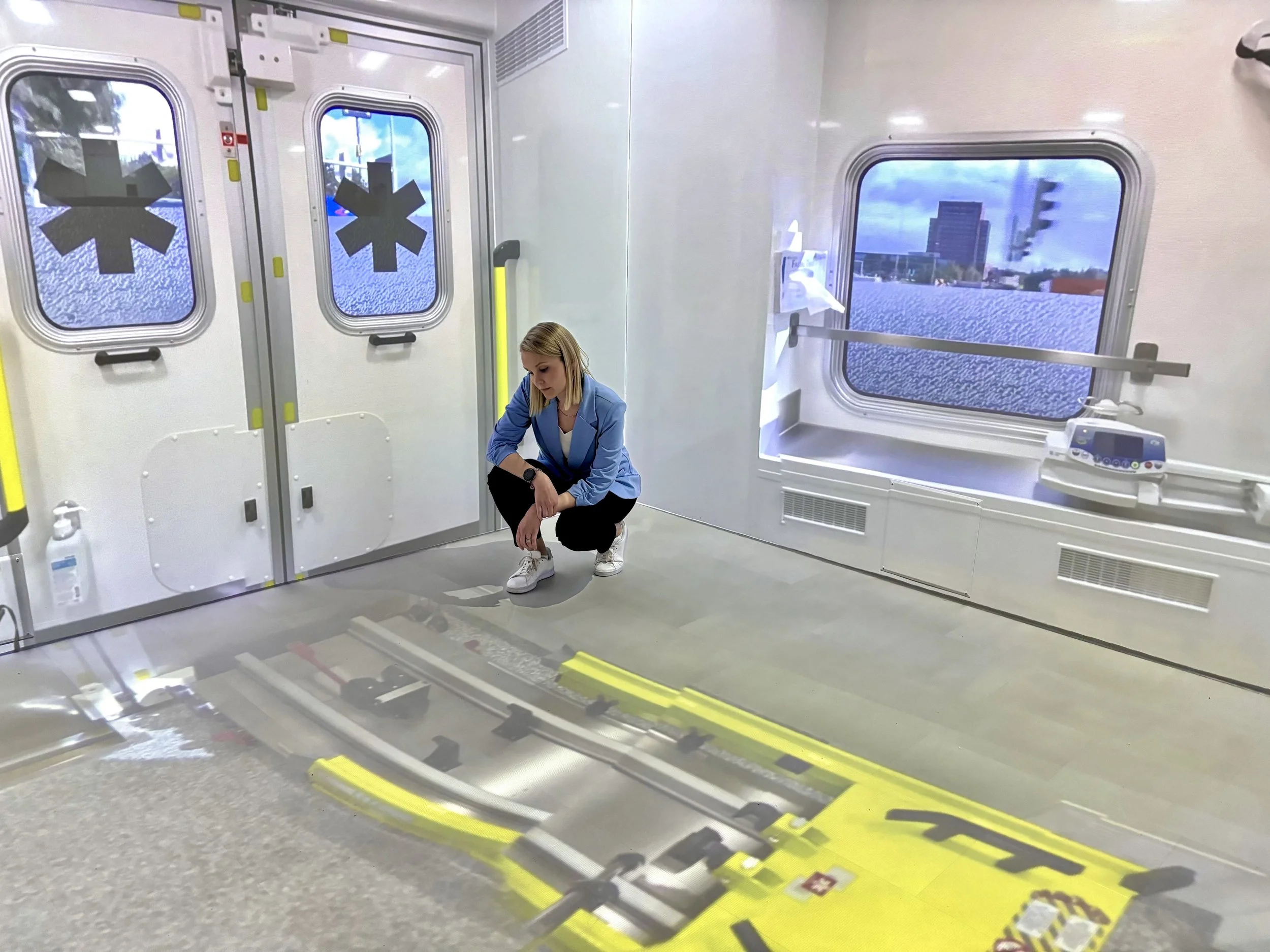
An immersive space is a flexible, purpose-built environment that can function as a simulation room, a sensory room, or a complete learning environment depending on the learning goal.
By combining visual, auditory, and spatial elements, an immersive space enables learners to engage with real-life situations. The same space can support hands-on practice, reflection, and emotional regulation, or serve as a structured learning environment where content, pedagogy, and physical space form a cohesive whole.
In 3DBear’s immersive spaces, the physical environment, digital learning materials, and pedagogical design are brought together to support a wide range of learning objectives and teaching methods.
Thanks to this flexibility, a single immersive space can serve multiple purposes, supporting skills development, safe practice, and meaningful learning experiences in a controlled and supportive environment.


Benefits and Accessibility
Immersive spaces are designed to be accessible and inclusive, supporting both group-based learning and individual activities. The same space can be used flexibly across different learning situations, making it suitable for learners of all ages and backgrounds, including those who require additional support.
By enabling hands-on, experiential learning, immersive spaces help learners develop practical skills through active participation. Content can be easily adapted to different learning goals and levels, allowing educators to personalize learning experiences while scaling them across groups or institutions.
Immersive learning spaces also offer tangible organizational benefits. They reduce the need for costly field trips and on-site training sessions, while providing safe environments where learners can experiment, make mistakes, and learn from them without risk. As a result, learners are better prepared for working life, having practiced real-world skills in realistic yet controlled settings.

Use cases
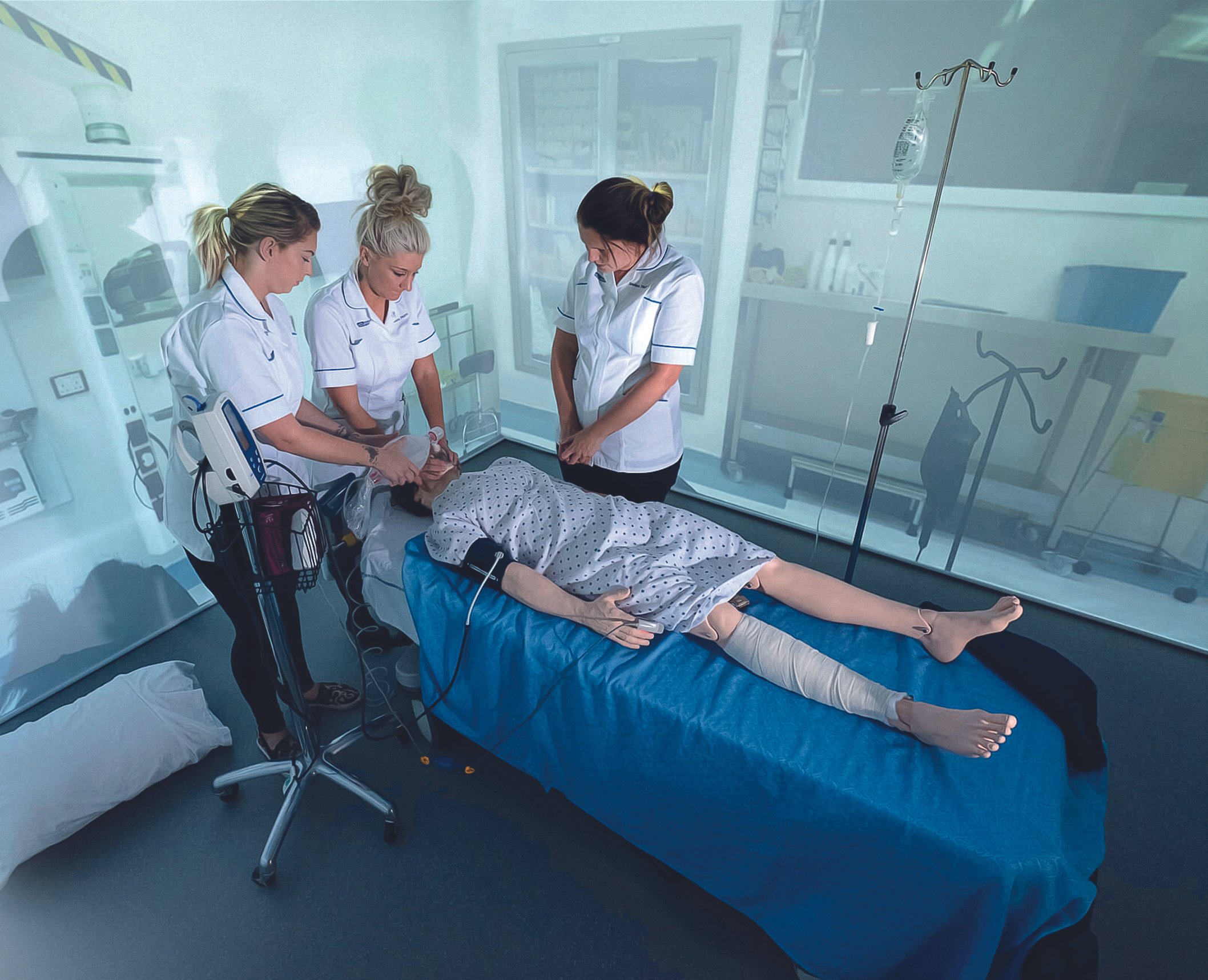
Immersive learning spaces are used across vocational education, healthcare and social services, and skills-based training to support practical learning in situations that are difficult, costly, or unsafe to recreate in traditional classrooms.
Through immersive and simulation-based scenarios, learners can practice real-world tasks, communication, and decision-making in a controlled environment. This allows them to connect theory with practice, reflect on their actions, and develop both technical and interpersonal skills before entering real working environments.
A key benefit of immersive spaces is the ability to practice safely. Learners can repeat exercises, explore different outcomes, and learn through doing without fear of failure or harm. This makes immersive spaces particularly valuable for training that involves sensitive, high-risk, or complex situations, where mistakes in real life could have serious consequences.
Our immersive spaces are ideal for:
Simulation-Based Teaching: Experience realistic, scenario-driven training across various professional fields.
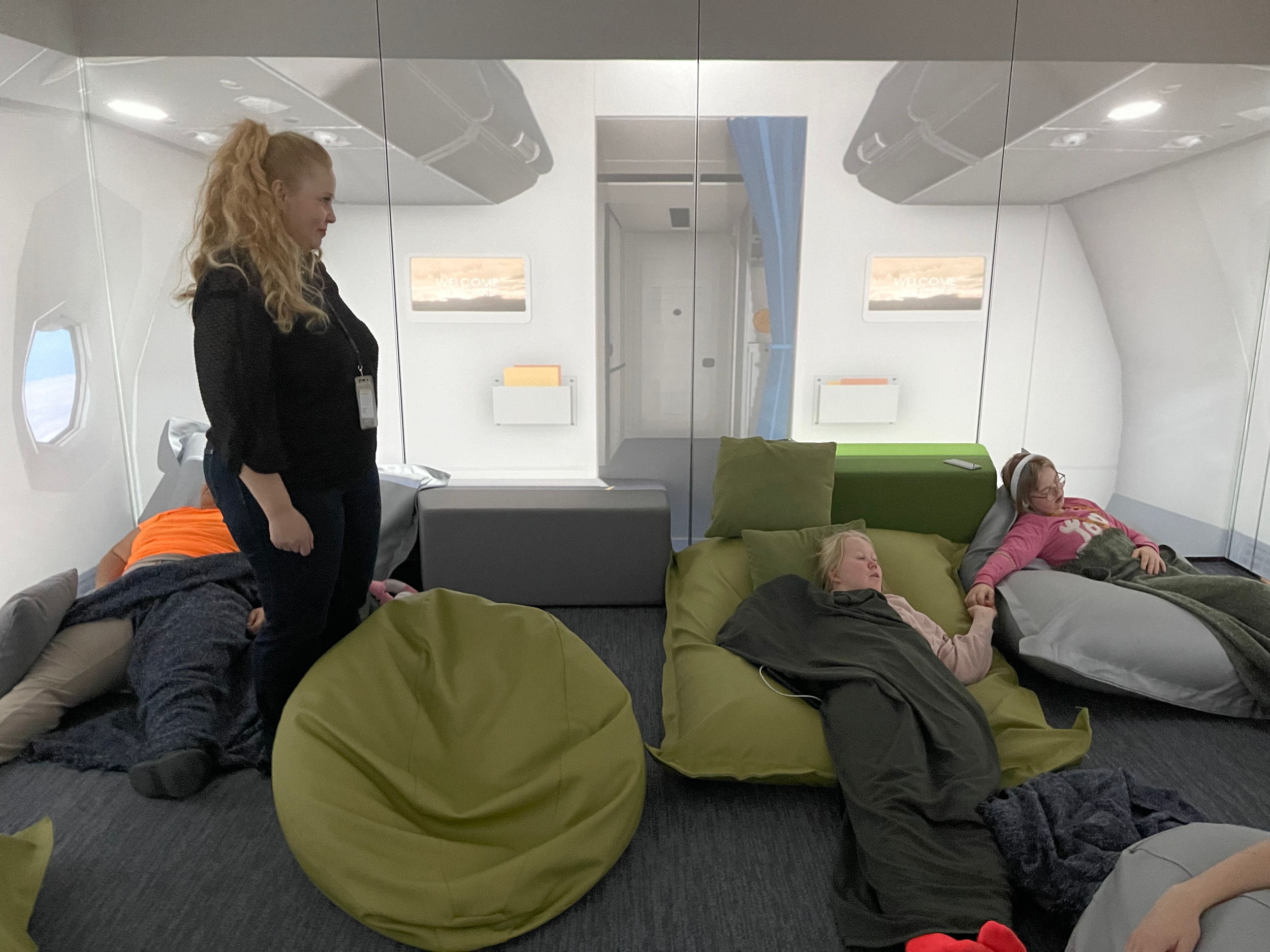
Relaxation and Experiential Spaces: Create environments that promote wellbeing and mindfulness through calming sensory interactions.
Gamified Activities: Foster motivation and engagement through interactive educational games.
Safety and Process Training: Simulate real-world scenarios in a risk-free, controlled environment, ideal for orientation and safety trainings.
Demonstration and Performance: Present compelling demonstrations or performative activities in fully interactive settings.
From Concept to Completion

3DBear
Phase 1: Planning
Identifying the best market solutions and user needs.
Designing immersive educational content.
Conducting site assessments and measurements.
Delivering a comprehensive implementation plan.

Phase 2: Construction & Installation
Renovating and modifying the space as needed.
Installing movable wall solutions if required.
Setting up all necessary hardware (projectors, sensors, speakers, etc.).
Integrating software and system configurations.

Phase 3: Content Creation & Deployment
Providing onboarding and training sessions.
Producing and editing immersive educational content.
Piloting the content with real users.
Continuously developing and optimizing content in collaboration with the client.
Customer
Continuous communication of needs and expectations throughout the project.
Effortless Operation, Immersive Impact
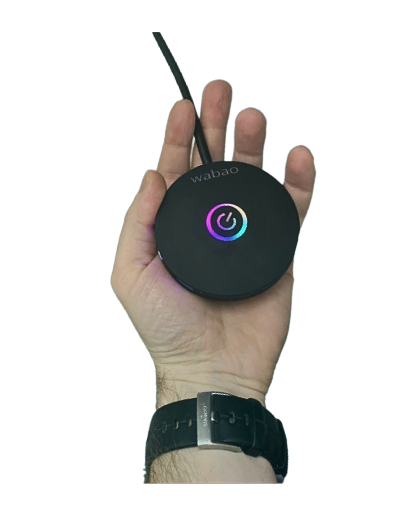
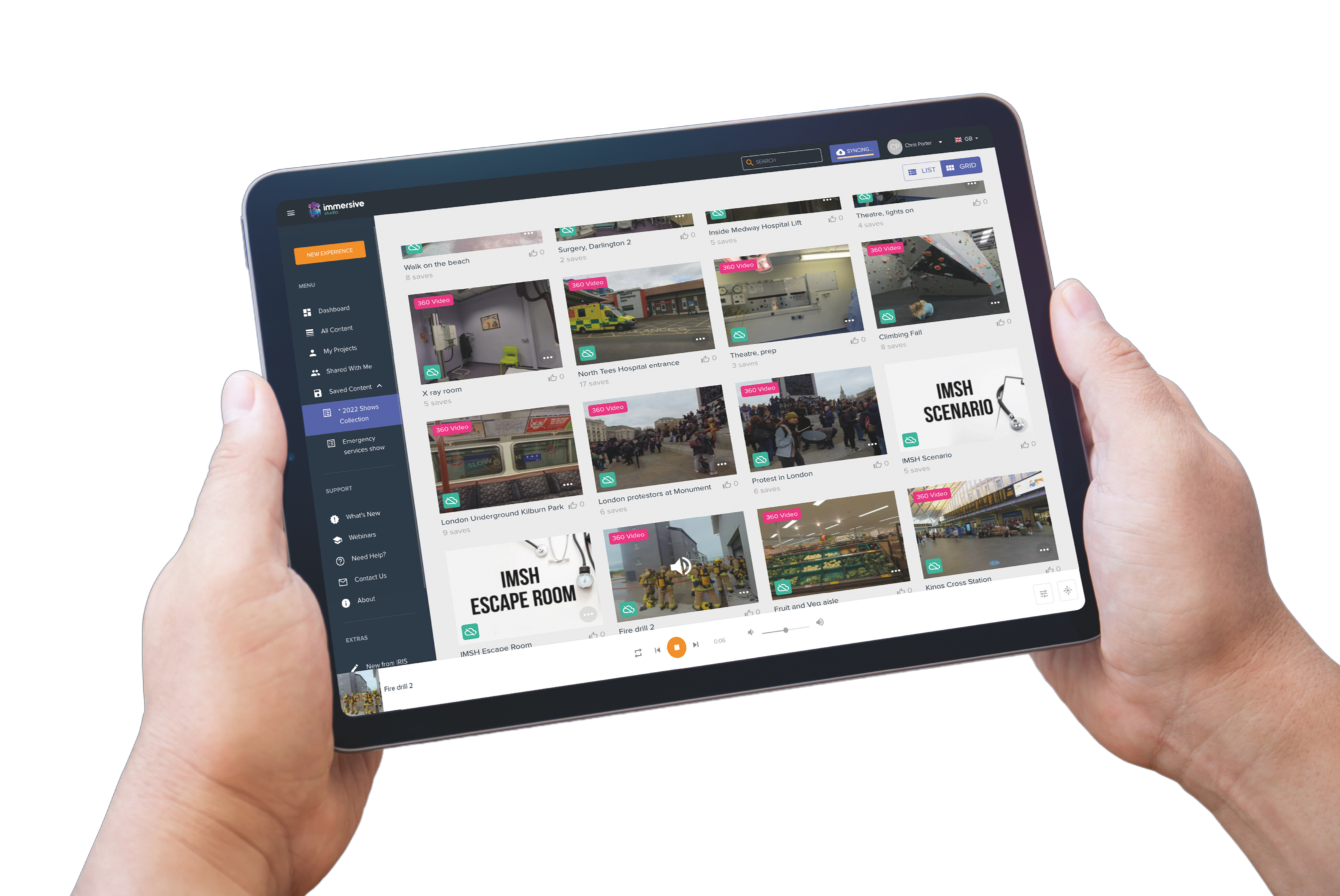
One-Touch Activation: Start or switch experiences instantly
Multi-Touch Surfaces: Up to 20 touch points on walls and floors—perfect for collaboration
No VR Headsets Required: Everyone can participate together, headset-free
Wireless Control: Seamlessly manage settings via keyboard, smartphone, or tablet
Sensory Enhancements: Built-in scent devices and sound systems for deeper immersion
Customer Stories
How Immersive Spaces Are Redefining Training at
Østfold University College
Immersiivinen tila tukee erityisoppilaita
Savon ammattiopistossa
Contact Us
Rasmus Borg, Head of Immersive Spaces
rasmus@3dbear.fi
+358 40 719 2125